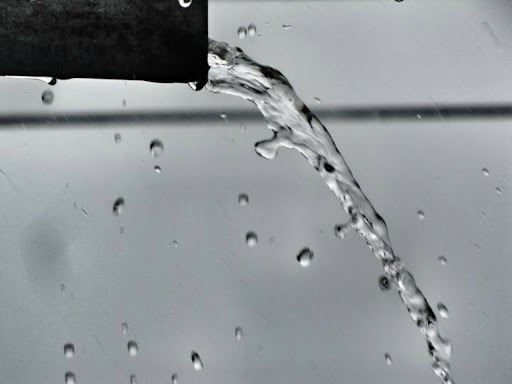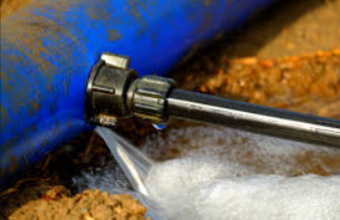
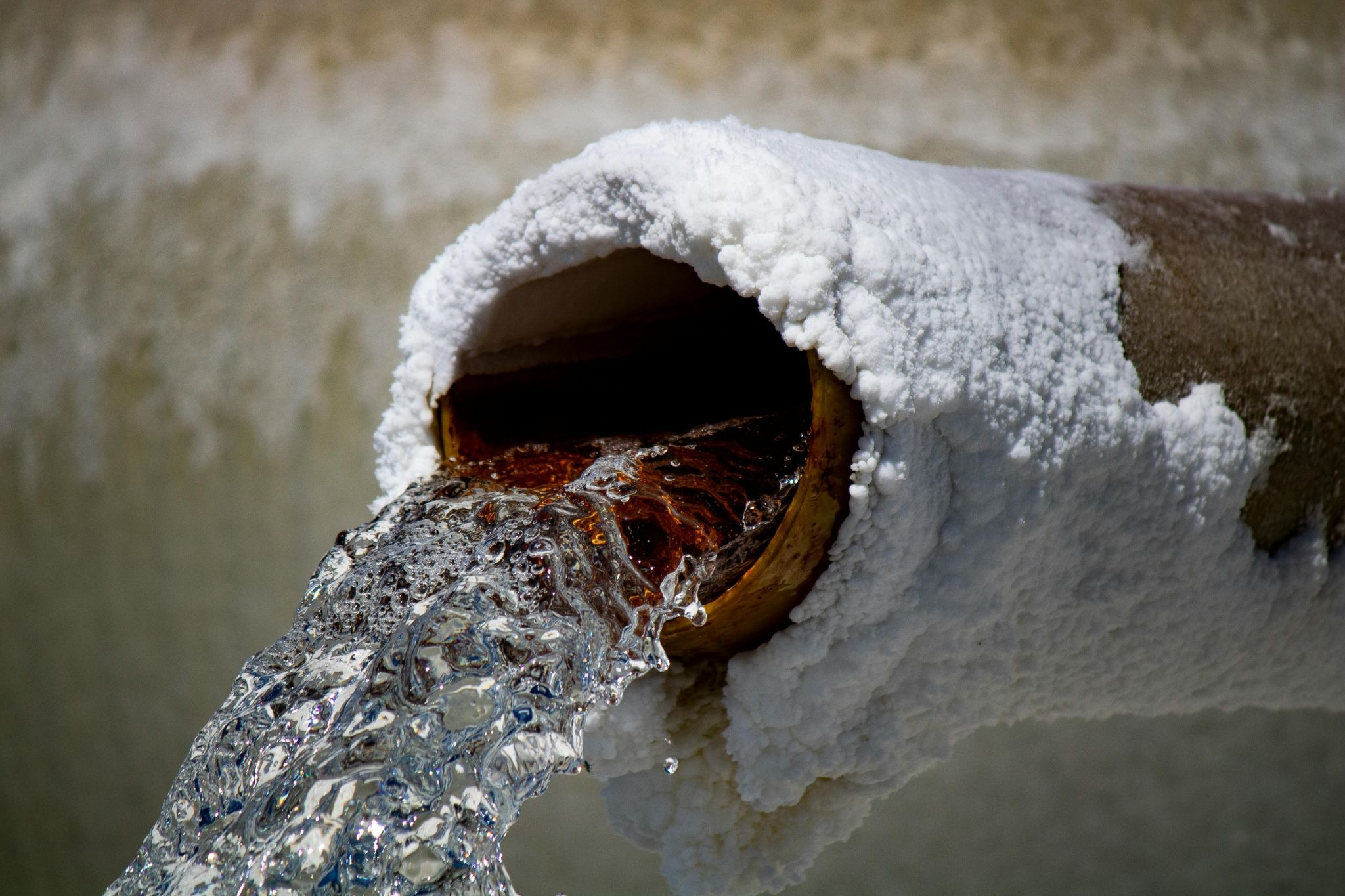

A burst pipe is more than just an inconvenience—it’s a sudden disruption that can damage your home’s structure and belongings within minutes. Knowing what to do if a pipe bursts helps you stay in control, minimize destruction, and make decisions that protect your space from long-term complications.
Why Immediate Action Isn’t Optional
When water starts flooding your home, hesitation can cost you more than repairs. Acting quickly protects walls, flooring, and even your home’s foundation. If you’re serious about learning what to do if a pipe bursts, you need to respond with clarity, not panic, and prioritize steps that limit both visible and hidden damage.
Shut Off the Water Supply First
You need to act immediately by locating and turning off your main water valve, because every second the water continues to flow, it increases the extent of structural damage inside your home, especially within the walls and flooring layers; the impact is not easily visible.
This step is not just about stopping water—it’s about regaining control of a situation that can quickly spiral out of control, making it the most critical starting point when deciding what to do if a pipe bursts.
Cut Off Power in Risk Zones
If water is spreading near electrical outlets, appliances, or wiring, your next move should be switching off the power supply from the main circuit breaker, ensuring that you eliminate the risk of electrocution or accidental fire hazards caused by short circuits.
You should never step into standing water without confirming that electricity is completely turned off in that zone, as safety must always come before cleanup or inspection.
Release Pressure from the Plumbing System
Once the main water supply is shut off, you should open all faucets and flush toilets multiple times to drain any remaining water trapped inside the pipes, which helps reduce internal pressure and prevents additional cracks or secondary bursts.
According to the EPA, leaky faucets waste more than 3000 gallons every year.
This step ensures that the plumbing system stabilizes temporarily, giving you a safer environment to assess the situation without the risk of ongoing internal stress within the pipes.
Remove Water Before It Spreads Further
You should begin removing standing water immediately using mops, towels, buckets, or a wet vacuum, focusing not only on visible puddles but also on hidden areas like under furniture, inside cabinets, and along wall edges.
Quick water removal limits how deeply moisture penetrates materials, which directly reduces the risk of long-term damage such as swelling, warping, or mold formation.
Move and Protect Your Belongings
You need to prioritize moving furniture, electronics, and valuable items to a dry and safe location, because prolonged exposure to moisture can weaken materials and cause irreversible damage.
For items that cannot be moved quickly, you should cover them with waterproof sheets or plastic barriers to minimize exposure and prevent additional losses during the incident.
Increase Airflow to Speed Up Drying
Opening windows and doors, along with using fans or dehumidifiers, helps accelerate the drying process by reducing moisture levels in the air and preventing dampness from settling into structural components.
Proper ventilation is essential because trapped moisture can silently damage wooden beams, drywall, and insulation, leading to long-term structural issues if not addressed promptly.
Document Everything for Insurance Purposes
Before starting any major cleanup or repairs, you should take clear photos and videos of all affected areas, capturing both the extent of the damage and the source of the issue for accurate documentation.
Keeping records of repair costs and damaged items ensures that you are fully prepared when filing an insurance claim, helping you recover losses more effectively.
Avoid DIY Fixes That Complicate Repairs
While it may be tempting to apply temporary fixes like tape, sealants, or makeshift patches, these quick solutions often fail under pressure and can even worsen the problem by redirecting water flow to other weak points.
Understanding what to do if a pipe bursts includes knowing when to step back and avoid actions that could increase repair complexity or costs later.
Call a Professional Plumbing Service Immediately
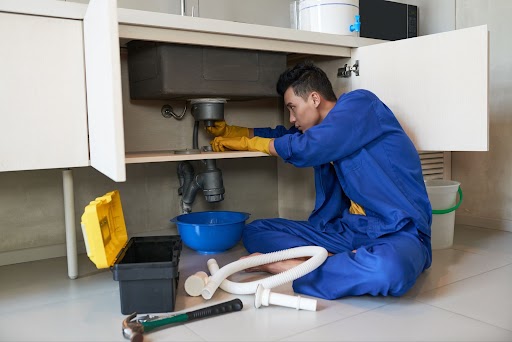
Reaching out to a professional plumber ensures that the issue is not only fixed but also properly diagnosed, as they can identify underlying causes such as corrosion, high water pressure, or poor installation.
If you’re uncertain what to do if a pipe bursts, this step provides clarity and long-term solutions rather than temporary relief, making it a crucial part of your response.
Understand the Structural Risks Involved
A burst pipe doesn’t just damage surfaces—it can weaken walls, ceilings, and even foundational elements if water seeps deep enough into the structure.
Professionals assess these risks thoroughly, ensuring that your home remains safe and stable after the incident rather than leaving hidden vulnerabilities behind.
Get Expert Advice for Future Prevention
After repairs are completed, you should consider professional recommendations such as installing pressure regulators, upgrading old pipes, or adding insulation to prevent future bursts.
These preventive measures are tailored to your home’s specific conditions, helping you avoid repeating the same stressful situation.
Check for Hidden Moisture After Cleanup
Even if everything appears dry on the surface, moisture can remain trapped inside walls, floors, or ceilings, which can lead to mold growth and structural decay over time. Professionals use advanced tools to detect hidden moisture, ensuring that the problem is completely resolved rather than temporarily covered up.
Stay Calm and Follow a Clear Sequence
In a high-stress situation like this, staying calm allows you to think clearly and take the right steps in the correct order, rather than making rushed decisions that could worsen the damage.
Knowing what to do if a pipe bursts ultimately comes down to following a structured approach that prioritizes safety, minimizes damage, and ensures effective long-term repair.
Frequently Asked Questions
Q1. Can a burst pipe cause long-term structural damage to your home?
Yes, prolonged water exposure can weaken walls, ceilings, and foundations, especially if moisture seeps into hidden areas and remains untreated for an extended period.
Q2. What are the common causes of pipes bursting inside residential properties?
Pipes can burst due to freezing temperatures, high water pressure, corrosion, aging materials, or poor installation, all of which increase stress on the plumbing system.
Q3. How can homeowners prevent future pipe bursts after repairing the damage?
You can prevent future issues by insulating pipes, maintaining proper water pressure, upgrading old plumbing systems, and scheduling regular inspections to detect weaknesses early.
Q4. What type of insurance typically covers damage caused by burst pipes?
Most standard homeowners’ insurance policies cover sudden pipe bursts, but coverage may vary depending on the cause, maintenance history, and specific policy terms.
Q5. Can small pipe cracks lead to a complete pipe burst over time?
Yes, minor cracks can worsen under pressure, eventually leading to a full rupture if not repaired early, especially in aging or weakened plumbing systems.
To Wrap Things Up
When a pipe bursts, quick action makes all the difference. Turn off the water, minimize damage, and call professionals you can trust. Red Hills Plumbing Services is ready to respond fast and fix it right. Don’t wait for the damage to spread—reach out now and let experts restore your peace of mind.